Evie Garner
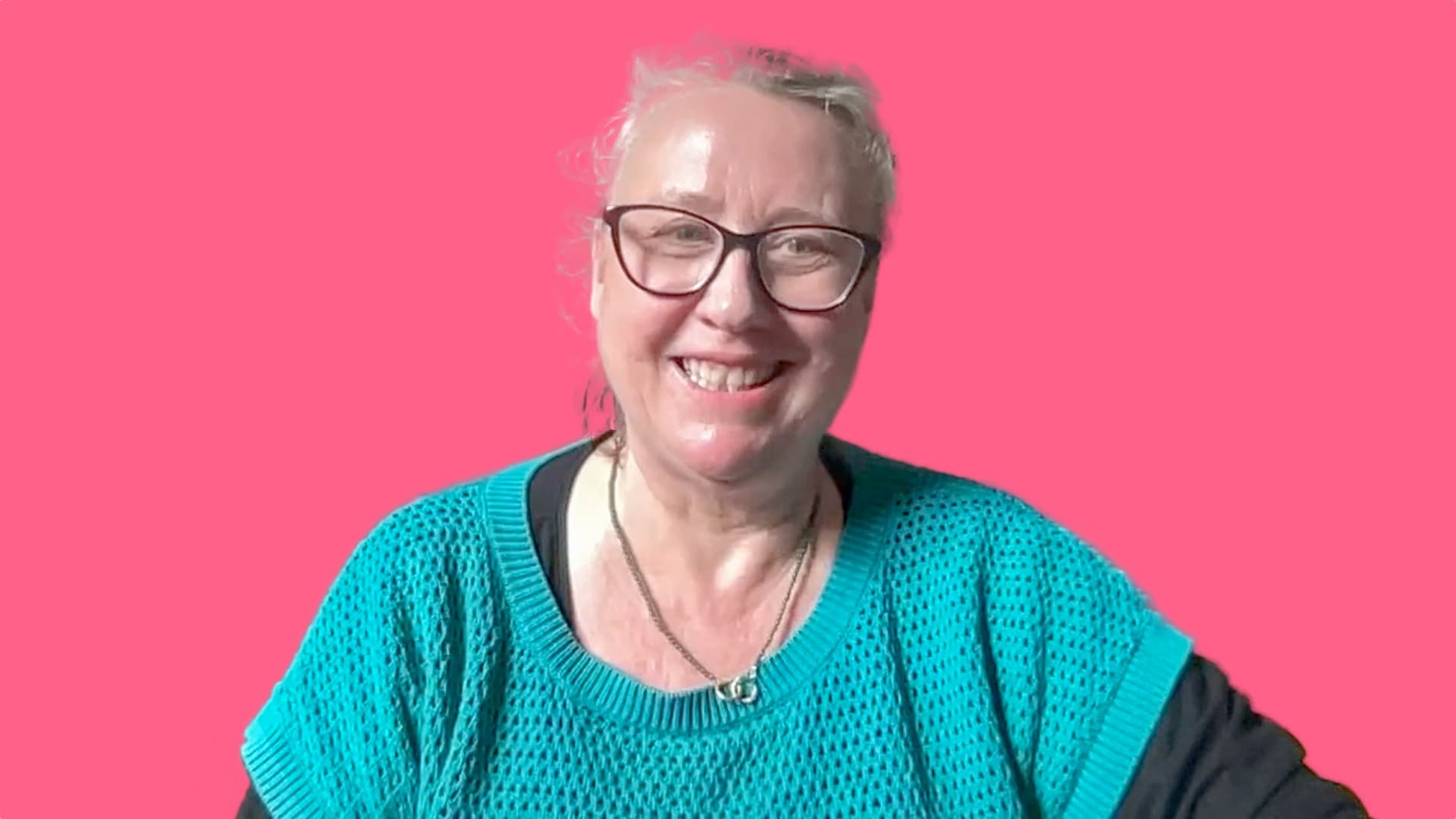
Meet Evie, an environmental consultant who loves solving sustainability problems and seeing her work having a real impact.
I'm Evie. I'm based in Bristol and I'm an environmental consultant.
So an environmental consultant is quite a broad title for what I do. So I mainly specialise in sustainability consulting in the biofuels, biogas, and biomethane sector.
And then also help along with carbon reduction plans and carbon scores for large businesses to meet legislation and guidance for the government. I tend to really specialise in anaerobic digestion plants, which are based on farms and helping them gain their certifications, whether it's for the EU sustainability schemes or whether it's for their government Ofgem schemes, essentially.
It's quite varied. So I say I've got a typical day that looks on site. So that would be getting up, driving across the country to a site. Usually in the countryside on a farm, down a dirt track.
And I'll then spend a day there gathering all their paper records and all the records that they have on site. And going through sort of risk assessments or some new training that they need to have, and helping them make sure that they've got everything up to date.
Or even sitting there through an audit with them and supporting them through that. And then me driving home again.
And then a typical day in the office is 8.30, log on or arrive at the office, chat to a couple of colleagues and then sort of start the day. Mainly heading a spreadsheet, doing some greenhouse gas calculations or writing up a report.
So in my team, I've got a few other consultants that support me, getting background information on greenhouse gas figures or completing submissions for some sites so they get subsidies for what they do. And that's a team of three.
And we work together, double- checking each other's work, maybe helping each other follow up on guidance.
And then I also then work with other companies. So it could then be working with auditors, so providing the information that they need when they're completing an audit for a client that I work with.
Working with traders. So in the biogas sector, traders are involved when you're selling your gas into the EU. And so they'll then request documents, and that's when I then come in and provide the traceability documents behind that.
The best thing about my job is the variety, I think. No two days are usually the same, especially when I'm on site, going around.
So sometimes it will be a small little farm and then other times it could be a massive production site and they're always so different and so varied. And yeah, it's just meeting like so many different people. It's really always interesting, I'd say.
The hardest part is then managing the workload, given that sometimes I'll be driving for quite a long time up and down the country. And trying to make sure that I've got enough time at the desk and also getting across those reports that need to be done whilst doing lots of site visits.
My journey was out of university. I'd done a Master's degree in sustainable energy and environment and was looking for jobs.
And I had a graduate interview here and really enjoyed the team, and how much variety it offered because I knew that if I went to a nine to five desk, I'd get itchy feet and not enjoy it as much.
I didn't know much about the biomethane sector when I first started. It's not a sector that you learn about often. You probably would drive past an anaerobic digestion site, there are quite a few around the UK. But yeah, you don't know much about them.
And so I started as a graduate and sort of ended up as a senior consultant and director of my own sustainability advisory company.
I did Maths and Geography, and I think that that really helped keep it broad.
You learn all about the sustainability and especially human geography, you learn about the legislations that you have to meet.
And then you need your maths to then come in when you're doing your greenhouse gas calculations. But it is really useful to then know why you're doing those calculations, and how they are benefiting the world around you.
So I made sure to keep it broad when I was at school in order to be able to sort of go into anything because I didn't know what I wanted to do at school, so I kept it broad and it's definitely helped.
Seeing my first anaerobic digestion plant. They're always usually green and quite well hidden. I was driving up to one in Scotland and you could see it coming up the road.
And I'd done all these spreadsheets behind it. I'd been working on it for about four months before I went to see one.
It was really interesting and amazing to sort of see what actually that spreadsheet meant, because I didn't understand. I understood the spreadsheet but I was sort of looking at figures.
And then to see it in practice and say, okay, so that's what that column means. And that's what you're measuring when you're, when I'm looking at that column. And so yeah, it was really interesting to see.
It's okay to not know what you want to do and it's okay to try, to try lots of different things. Keep it broad and then the world's your oyster.
Just try lots of different things, chat to lots of different people and if you don't like it, it's okay. You can go away and try something else.
Related careers


Related subjects


You might also like

This page contains original content developed by Coffee With Ltd. You may share this page as a link but you must not copy the content or use it with AI tools. All rights reserved.