Tom Booth
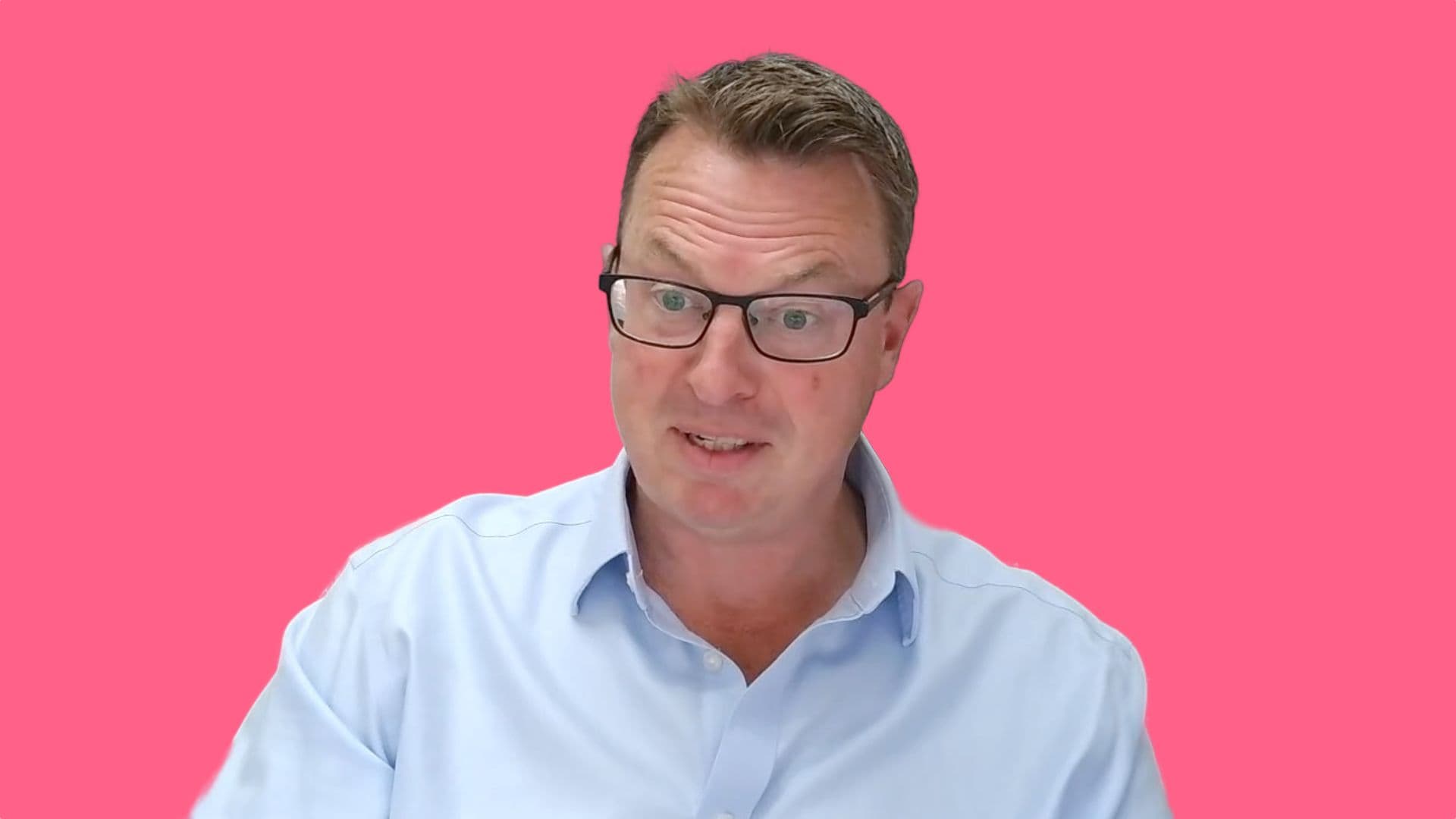
Meet Tom, a principal estimator who loves working with diverse teams, exploring different projects, and seeing construction come to life.
I'm Tom Booth. I'm a principal estimator and I work for Amey, who build railway infrastructure.
Most of my time is spent pricing up work, jobs to build. So how much is it gonna cost us to build a railway or parts of the railway?
A typical day can either be working on a computer, on spreadsheets, working with maths and drawings to work out quantities of materials and how long things might take us.
Or it can be in an office environment doing similar things with other people. Sometimes we spend time in meetings discussing jobs and different ways and approaches that we might take.
And sometimes we'll visit a working site to see some of these things being built.
So I work with other people who do similar job to me. It would be other estimators, so at different levels, different experience. It would also be working with people who plan the works, which we call planners.
There's people who work with the contract side of things, so the actual written rules of how us and the person buying the work interact.
And also with senior managers and people who sort of approve these things and sign them off.
The best thing about the job is working with people who, lots of different people who do different roles.
Often construction is done in similar ways internationally, so you often come across different people from different countries. So that always is a benefit. And it provides a big variety of things. It can be from really small, simple jobs to really big, elaborate jobs. So lots of detail.
It's also a chance to get out and about. You see the country and depending on what type of role you do in construction and what type of company you work for can lead to international job opportunities, often working with people abroad or in other countries.
It can be anything from working on railways to buildings, to motorways and highways, wind farms, offshore work. Everything you see is built by somebody and it's an opportunity to get involved in that.
The hardest part is trying to manage a group of people so that we're all pulling in the same direction on the same level of understanding, and to be able to meet the deadline because all the work is deadline driven.
So the client will give you a deadline. You've got to then come up with your estimate and your price by that deadline. But there's a lot of steps involved in getting to that final answer and a number that is palatable and okay for the client, but also for us as a company or as a business building it.
I've had a bit of an unusual journey to the standard, common approaches of A levels, university in some sort of construction related degree and moving into graduate roles and through that way in terms of office type working construction.
I came into this role through working on the tools originally. So I left school after my GCSEs and became a tree surgeon or an arborist as it's otherwise known.
I worked for a local council doing that for eight years. And through that time I also did extra study on the side to be able to increase my capabilities. And then I landed a job at the same place in the office doing estimating on trees and similar outdoor works, playgrounds and roads and that type of thing.
And then carried on learning at the same time, going to college part-time in my spare time in construction.
And then I moved, that's when I moved into railways after about 10 years. And then I've just carried on learning through that process and working your way up through experience.
My school education helped me through teaching me to be disciplined, to be able to turn up every day and meet your times.
And also through learning maths, in particular is important for this role, and learning graphics I found was useful for this type of role as well. Learning to understand drawings and 3D shapes and plan different views on how you would look at a shape.
And science as well, of course, materials and concrete steel and different forces in physics, bending movements through physics and things like that, that all has an influence on what we do and why certain things are built in certain ways.
I enjoy quite a good work-life balance. I've got the ability in this role to be able to work from home, also work from an office.
So that flexibility, and it's not on a set pattern, means that you can make that help fit around your life. So if you've got something in particular that's important to you, or you've got an appointment, say, in a day, you can work your time around that.
And because it's deadline driven, often the deadline is the thing that you work to rather than set hours individually per day.
A moment in my career I'll never forget is the day I landed some international work.
So I was working with Australian clients doing what I've described during this talk to those companies and then affording us the ability to go over and meet these people and see Sydney and experience working on projects in different countries but also meeting the people over there and seeing the wonderful sights.
The advice I wish I'd had when I was younger was that you don't always have to follow the norm.
And I was tempted to follow the norm and felt bad because at the time I couldn't. So I didn't finish my A levels and I decided to go straight into work, drop out and go straight into work.
And actually that does get you to the place where you want to get to just as much as it does following the traditional channels. And either way is not wrong.
But for somebody perhaps who finds it difficult to be in a classroom environment as you start to get older, and you're keen to start to earn money and build yourself up that way as well, it's not the only avenue to get to where you want to get to.
Related careers


Related subjects


You might also like



This page contains original content developed by Coffee With Ltd. You may share this page as a link but you must not copy the content or use it with AI tools. All rights reserved.