Robert Harvey
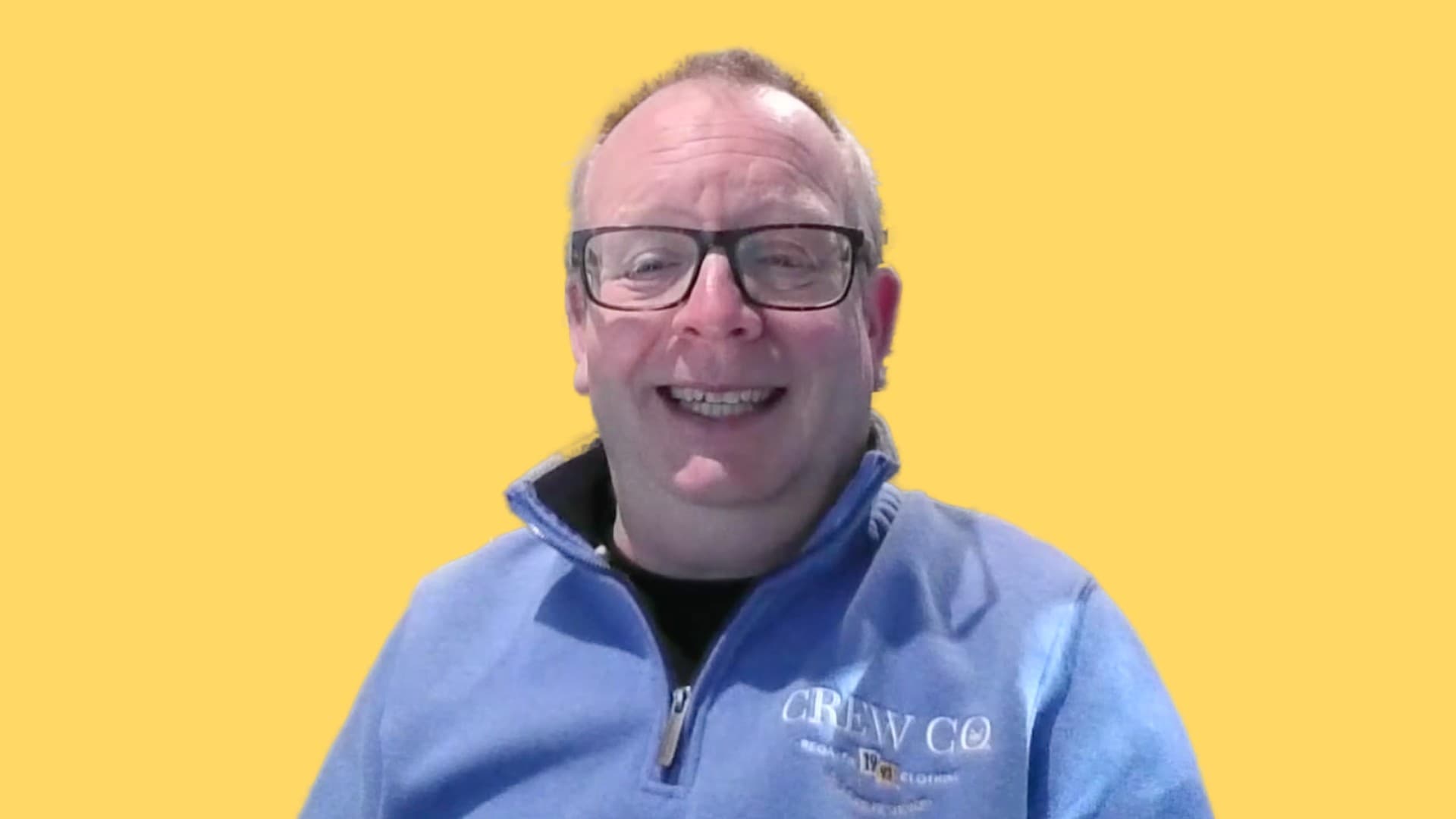
Meet Robert, a mechanical design engineer who loves collaborating with other engineers and helping create greener vehicles.
My name is Robert Harvey. I live in Northampton in the United Kingdom and I work as a mechanical design engineer.
My day varies a lot. I work on various different projects for different customers in the automotive industry.
I will often spend my time designing and analysing different systems, whether that be the cooling, the fuel system, or just designing bits that will go on a car or an engine.
We also work across a range of different technologies, such as hydrogen, batteries, and just normal combustion engines.
So for me, a typical day is going into the office, working alongside other engineers.
Most of my work is computer-based, so we'll be working with computer-aided design software, as well as other analysis software to help design different components and bits that go onto a vehicle or an engine.
Throughout our day, I'll also have various meetings with both customers and with other engineers where we discuss different potential solutions, different ideas and any problems that need to be overcome in order to achieve our product goals.
In a project we'll have a wide range of different engineers and technicians working alongside me.
So that could be a test engineer who helps test the products I design or a technician who builds those products, or it could be a project manager who thinks about all the costs and the timelines for delivering those projects.
And we often have weekly meetings or bi-weekly meetings where we discuss various things and bring up any issues together.
But also day to day in the office, I go chat to someone at their desk or send them an email and work with them through little things as well.
The best thing about my job is the variation in the work.
So one week I could be designing the cooling system for a high performance vehicle. The next week I could be looking at a small little component or system for a battery vehicle, or it could be working across a different technology as well entirely, such as combustion.
So as a consultancy, our company does a wide range of technologies. That means day to day I'll be using the same processes, but I'll be designing completely new bits. And it just gives me fresh challenges each day as an engineer to solve.
I'd say the hardest part about my job is working to tight deadlines.
So customers often have high expectations when it comes to delivering the projects. They want it on time at a low cost.
This means as an engineer, you want to make it the best you can, but you've also got to do it quickly because you don't want to come back and have to spend even more time and money trying to redesign something.
So it's finding that right balance between working with the customer to get things out quickly, but also making sure they get the right solution.
Well, I really enjoyed math and physics at school. So throughout secondary school and my A-Levels, I really had a passion for those and trying new things and problem solving in those subjects.
And then that led me into a mechanical engineering degree at Southampton University. Here I was able to again learn lots more and look at more specifics about the role I wanted to do. I knew I was interested in things like Formula One and motorsport. And all that kind of led me down the automotive path.
So I kind of studied specific modules in that and was able to increase my knowledge. I think another big thing that helped me get here was being part of the Formula Student team at university. So here you get to both design, engineer, and build your own race car as students.
And then you get to take it to the Silverstone racetrack and race it against other universities and learn lots from them as well.
And it's a really great hands-on experience that gives you a good breadth of what the engineering industry is like.
School really helped me because although math and physics sometimes can feel quite theoretical, actually the basics you learn there, I'm constantly using still now.
Things like trigonometry and basic physics equations, you will still use as a senior or higher engineer because those principles are the basics of how we engineer or design anything.
So learning those basics in maths and physics, you really have to have a passion for it because you have to just work things out. No one's going to tell you how to do it.
And yet you have to be able to, from that basic physics principle, design something that's going to work and keep people safe, but also do its correct job.
Also, learning to fail at school. Often things don't always go right in engineering. They often don't and you have to learn from that.
And I think school is a really good chance to learn to fail and be accepting of failure, but also being able to learn from it and develop from it. And that's a really good chance to do that in a safe environment.
Well, the automotive industry is going through a big change at the moment.
There's obviously a lot of uncertainty about which direction is going to be the right technology. Everyone's talking about EVs and hydrogen. So everyone's a bit unsure about what's going to happen.
But in my job, I'm able to work on all these different technologies and develop unique solutions that could help be put into vehicles and help us drive more greenly and help the planet by getting rid of those fossil fuel emissions that we have in our current cars and being able to help people in their day to day still do their things they want to do with their vehicles but in a more environmentally friendly way.
I think for me, it may seem a small highlight, but I think it was seeing the first components that I designed being put in a real vehicle.
I think when you see those things physically, see a part that's been made that you had on a computer that you put all the hours into design and analyze and make sure it was correct when it's finally made and finally put into use.
I felt that was a really proud moment for me because you know that your hard work's actually making a difference and it's really used and it's not just some theoretical software thing, but it is a real component that is going to make a change to the project and make a change in people's lives as well.
I think the biggest piece of advice I'd give to myself would be that it is a big world out there.
Often when you're younger, you can think the world is quite small or you think you've got to put yourself in a box.
But actually I found that the world has endless opportunities. There's so many different companies and different areas of technology to work in as an engineer. And I'm still discovering all the different ones there are both here in the UK, but also around the world.
So my advice would be don't think too small to start with, think big.
There are lots of different opportunities that will fit your personality, your role as a potential engineer.
And you can then use your skills in whatever you want, whether that be automotive or renewable energy or building or medicine, there's loads of different opportunities that you can get involved in.
And even if you go down one route to start with, the skills are very much transferable and you're able to still go to a different route if you decide to change your mind so you're not stuck.
Related careers


Related subjects


You might also like


This page contains original content developed by Coffee With Ltd. You may share this page as a link but you must not copy the content or use it with AI tools. All rights reserved.