Anna Song
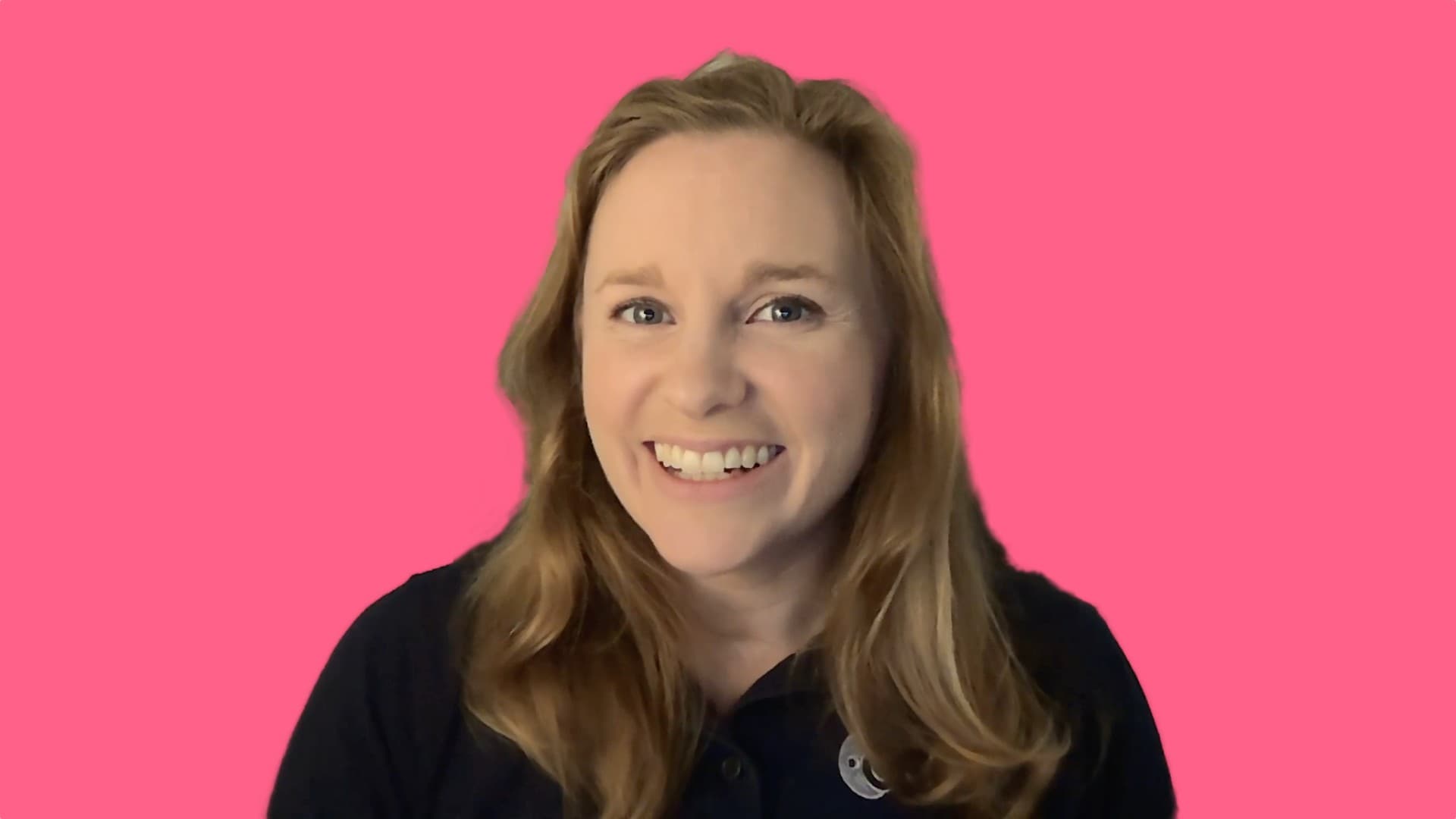
Meet Anna, a research pharmacist who loves working on cancer trials and educating people about oncology.
Hi, my name is Anna. I'm a research pharmacist and I work in the United Kingdom, specifically at Southampton University, right next to the Southampton hospital.
So the beauty of my job, which is what I love about it, is there is no typical day. So my calendar looks crazy. If you want to schedule a meeting with me, it's actually impossible.
And I have to move a lot of things to then accommodate. But I think the beauty of my job is that no single minute of the day is the same.
And I thrive in that condition of being able to change how you work almost on a daily basis and the people I talk to come from different backgrounds.
They could be doctors, could be nurses, they could be patients, they could be charities.
So yes, I would say my typical day is not very typical. But I always start with a nice breakfast and a cup of coffee at work.
So my team at the moment, I think last I counted, we are at about 120 staff members in our office and they are ranging from, so they call them statisticians.
They work with numbers a lot, very clever people. Then you have doctors as well and you have trial managers who project manage all the different trials.
And then you have myself who's a senior trial manager, is an official title, who is sort of a lead in lots of projects at the same time in different disease areas. And there's also nurses who work more sort of on the hospital sites.
And then also this week, you have lots of students who work here in terms of their placements for trying to gather experience in research.
I think I would say the best thing about my job because I focus working on research in oncology, so cancer treatment. I feel it's really, I feel like I'm making a difference in the world.
And when I see news articles come out of new cancer treatment that is now available to patients, it just fills me with so much joy reading that.
And I get to tell, you know, my family members and my friends, look, I worked on that trial and I managed to make that treatment accessible to all patients in the UK.
So the hardest part in my job is the funding, is the money aspect and the time.
So if I had a magic wand and I had all the money in the world, I would never say no to any single person who wants to try out a medication to help cancer.
But unfortunately, we live in the real world and money is limited. Money has to be justified in terms of where it is going, but also time.
I said I have 120 staff in the unit but we still are outstretched and we don't have enough people to work on the trials that we want to at the speed that we want to.
So I think my journey is quite unique in a sense.
So I'm a research pharmacist. So when you speak to pharmacy, people you kind of think, they work in a shop, they work in boots, or they work in a hospital, or Lloyds Pharmacy, or Tesco.
And I started out working in Boots as a summer placement student. And then I decided, actually, I quite fancy hospital pharmacy, and I want to see patients on a day-to-day basis and make a difference there.
And I realised, no, I want to be at the forefront of this, I want to see what's new. I want to be able to make a difference in the early stages, not when treatment has been established.
So I went into research by chance really, because I applied for a job not knowing what the job was, but actually really enjoyed the ability to talk about medicines that are not available in a book or from a shelf yet.
So in that sense, that's when my love for research grew.
And since then, I've expanded more in terms of teaching about research at universities.
I started a podcast about oncology and just trying to sort of educate the general population in a way that you can understand rather than, say, medical jargon continually.
Yes, school education, I think especially when you're sort of a young student, you know, trying to decide what A levels or GCSE levels to do.
As a pharmacist, you are very science heavy, so you had to do maths, you had to do biology and I had to do chemistry. And you have to get quite good grades if you want to get into a good university.
But the honest truth is, I think when you're working at my current age, you know close to 40, and you're working in research, it almost doesn't matter about your education.
It is about your passion for research. It is about your dedication to the cause that they care about more.
Unfortunately, the younger generation get told you have to get certain grades to get your foot in the door. And I think with how the world is evolving, there's a lot more competition on a global level.
So it's quite, it's quite difficult to nowadays get your foot in the door.
But I would say, especially as a sort of younger generation, work experience or shadowing in these environments will give you a leg up.
It will give you a story to tell in terms of your journey from where you got to.
Oh, massively, I would say it makes such a difference. And I think it's sort of highlighted even more because I don't just do oncology research. We also do other research.
So when COVID hit, everything changed and the research world, you know, the focus changed to we need to cure COVID. We need to find treatment for this disease that is unknown.
And, you know, how you work and the speed you work and who you work with has changed completely.
So I would say I think without research, how do we advance as human beings? We don't.
So I think it's quite vital to have people in research.
Oddly enough, I think my moment in my career is not very career related. I've always been quite passionate about a lot of things and one of the things is children as well as education.
So I've got three kids myself and I've written a children's book about my three-legged cat to try and sort of raise awareness about disability for kids at a younger age.
I couldn't find a book for my kids to explain how our cat lives and things. So that was my highlight in my moment of career.
But if you want to say, what's your highlight in your research pharmacist career, it would be working on the national COVID trial and working with the government and having, you know, those six o'clock, eight o'clock calls before their government brief came out and that was really exciting and it just made me feel like, you know what, if I didn't turn up to work, the world doesn't go on.
To have more fun, I think to be more present and to not to worry about grades too much, they are important, but your life experience makes you stand out more these days rather than your grades because there's a lot of clever people in the world.
And to make yourself unique is to go on all these holidays, do these work experiences.
One of the big things I would say is do a lot more networking and charity work and just talk to strangers because they have interesting stories.
Related careers


Related subjects


You might also like
This page contains original content developed by Coffee With Ltd. You may share this page as a link but you must not copy the content or use it with AI tools. All rights reserved.