Gaily Makumbe
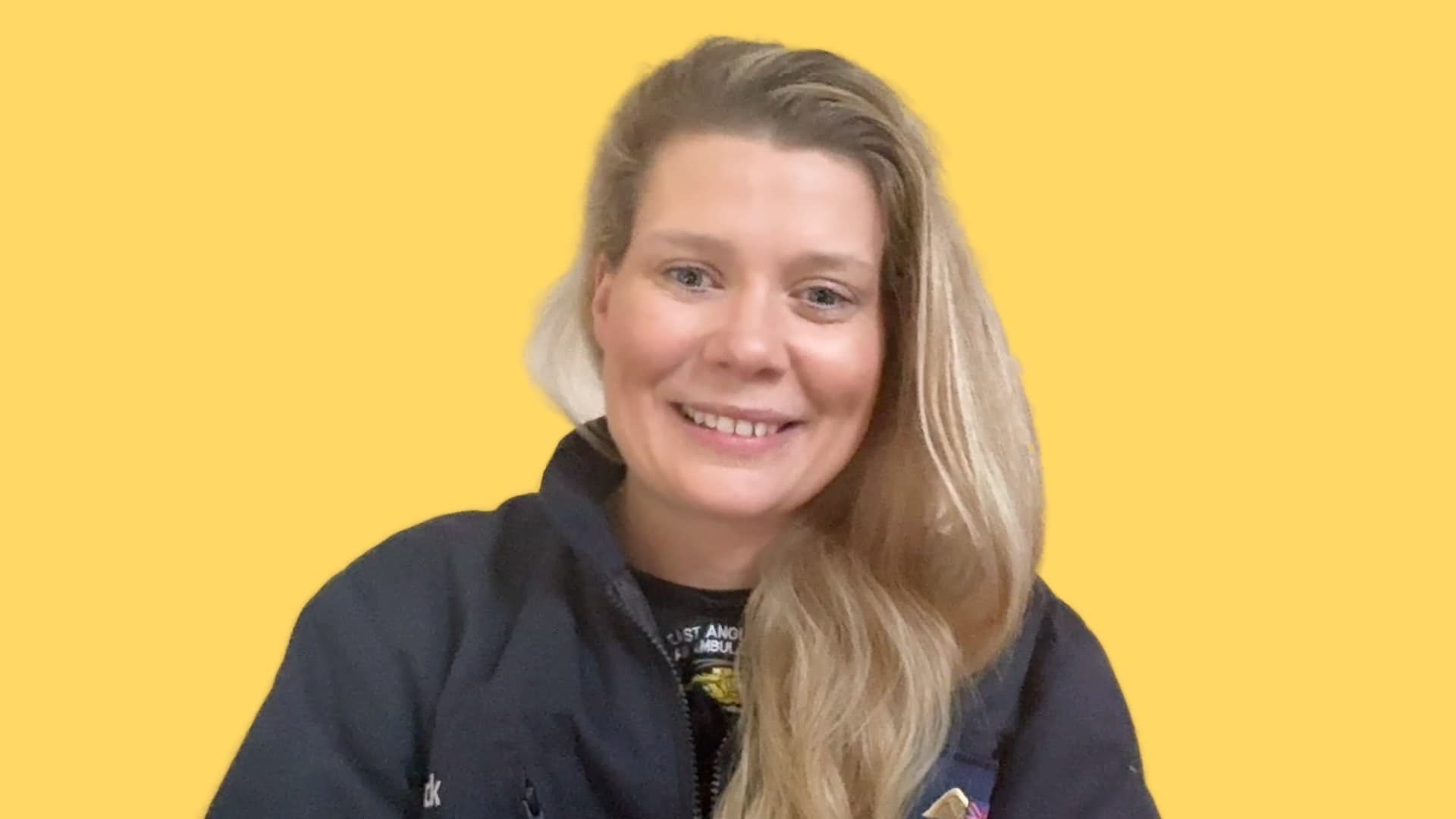
Meet Gaily, a helicopter engineer who loves mastering complex machinery, supporting offshore crews, and making sure every flight is safe.
My name is Gaily Makumbe. I am a helicopter engineer. I'm currently working in Ghana for a company called Heliconia and we work in the oil and gas industry for offshore companies.
So you can look at it as a very expensive taxi for customers that go to the oil rigs. So most of the time we are maintaining the aircraft, the helicopters that these workers use to go to the oil rig and back onshore. So maintaining the aircraft and making sure that they are safe for all our customers to use back and forth to the rigs.
So a typical day for an aircraft engineer, a helicopter engineer is... so I work line maintenance, which means that we are working with live aircraft. We are right at the forefront where the transportation of the passengers takes place. So on a particular day, our aim is to make sure that people get to their destinations, either it's to the rig or from the rig back home.
So we are making sure that the aircraft are running smoothly, safely as well. And that is what a particular day for a helicopter engineer entails really. And then at the end of the day, we do all the maintenance necessary and prepare the aircraft ready for the next day.
So helicopter engineering is teamwork. I work with a lot of guys. I would love to have a lot more girls in the industry, but currently there are very few of us, if any. So we work as a team and it is very much teamwork.
We make sure that everybody has got a buddy-buddy system, because it is a kind of job that requires intensity and making sure that everything is done well.
So as a team, we're also checking each other's work and making sure that any mistakes that can happen, as we are all human beings, can be avoided as much as we can during that teamwork.
I think the best thing I find about the job is the satisfaction we get when a problem is fixed and you see a helicopter flying and taking its passengers wherever it is supposed to go. That is a really good feeling.
Going through the challenge is also good but that satisfaction you get when you're like, yes, finally we got it. I think that is the best part of my job.
So the hardest part of this job is the pressures that we have by simply knowing that we hold the lives of innocent people in our hands. So every time we are doing a job, every time you are carrying out maintenance, you need to know that you are giving it the best that you can and making sure that the aircraft that you're going to release is safe for customers, for passengers.
And making sure that those little girls and boys get to see their parents coming back from the rig. So that is quite a lot of pressure on us but it's something that we have accepted as the job that we took.
I kind of like stumbled upon it. I know people might be looking for a very, very interesting story but I had just completed my A-levels and I was waiting to go to university. Actually, growing up I wanted to be an electrical engineer.
So I happened to see this advert in the newspaper. At the time, I was back home in Zimbabwe. So I happened to see this advert in the newspaper for apprenticeship training for aircraft engineering and this was being run by the local airline Air Zimbabwe.
So it really intrigued me because it never crossed my mind when I saw all these aircraft that they're actually engineers that fix them. So I decided to apply and then I got in and the rest is history. I was hooked from then.
So my school education helped me get to where I am now through subjects like physics. Physics plays an important role in aircraft engineering in general, be it helicopters or fixed-wing. So understanding that concept does help a lot.
And just having basic knowledge on hydraulics, on anything mechanical, electrical, which are some of the things that we learn during A-level, it does help you understand better when systems are being explained and it gives you a better picture of what you're getting yourself into.
So actually, I don't have a moment, but I have a period in my career that I'll never forget.
This was a time when I joined the British Army. My time in the military was a really precious time for me because I think this was a time when I transformed from a shy, reserved girl to a confident, woman who knew that I had something to give and if I did it right, there was an audience out there that was prepared to listen to what I had to say.
So this was a time in my life where I really blossomed and stepped out of that shy girl into something that I'm still working on, but I think I might be on the right path based on some of the feedback that I'm getting! So that period in my life was really good, was important for me.
It is a tricky one and I always think you can never balance it on 50-50 basis. I think it changes with certain times and stages that you're going through in your life. I find that sometimes I have to put 80-90% more into my work and a lesser percentage into my lifestyle because I have a target and I need to achieve a certain goal in my life.
So yes, it is very important to have that balance and as you, well, I will educate you with aircraft engineering in general, we have a motto that we play hard and we work hard. Okay, it's better to put it the other way around actually. Work hard and play hard. So we do try and balance it.
And as for me, at the moment, I have a perfect rotation at work, whereby I work five weeks at work and I'm off five weeks. So that allows me to have a perfect balance during my five weeks off to pursue any other hobbies that I have in life.
So the advice I wish I'd had when I was young is I think sense of humour will get you out of anything and make you friends and in actual fact with a sense of humour you can do just about anything and everything.
I think I was a very serious child when I was growing up and it took me a while to realize that I need to be more relaxed, have a sense of humour, that way you get to interact better with people. You don't get to take yourself too seriously.
And I think it just, in our industry as well, with the pressures that I mentioned, if you don't have a sense of humour, it could easily bury you. So having a sense of humour, having the time to laugh with your colleagues when times are tough, it helps you to de-stress during that coffee break when you're laughing and going through all silly things that you can think of.
And then when you leave that room and you go back to the workplace, to the shop floor, I think you are in a better frame of mind to carry on that serious and stressful job.
Related careers


Related subjects


You might also like


This page contains original content developed by Coffee With Ltd. You may share this page as a link but you must not copy the content or use it with AI tools. All rights reserved.