Jayne Calvert
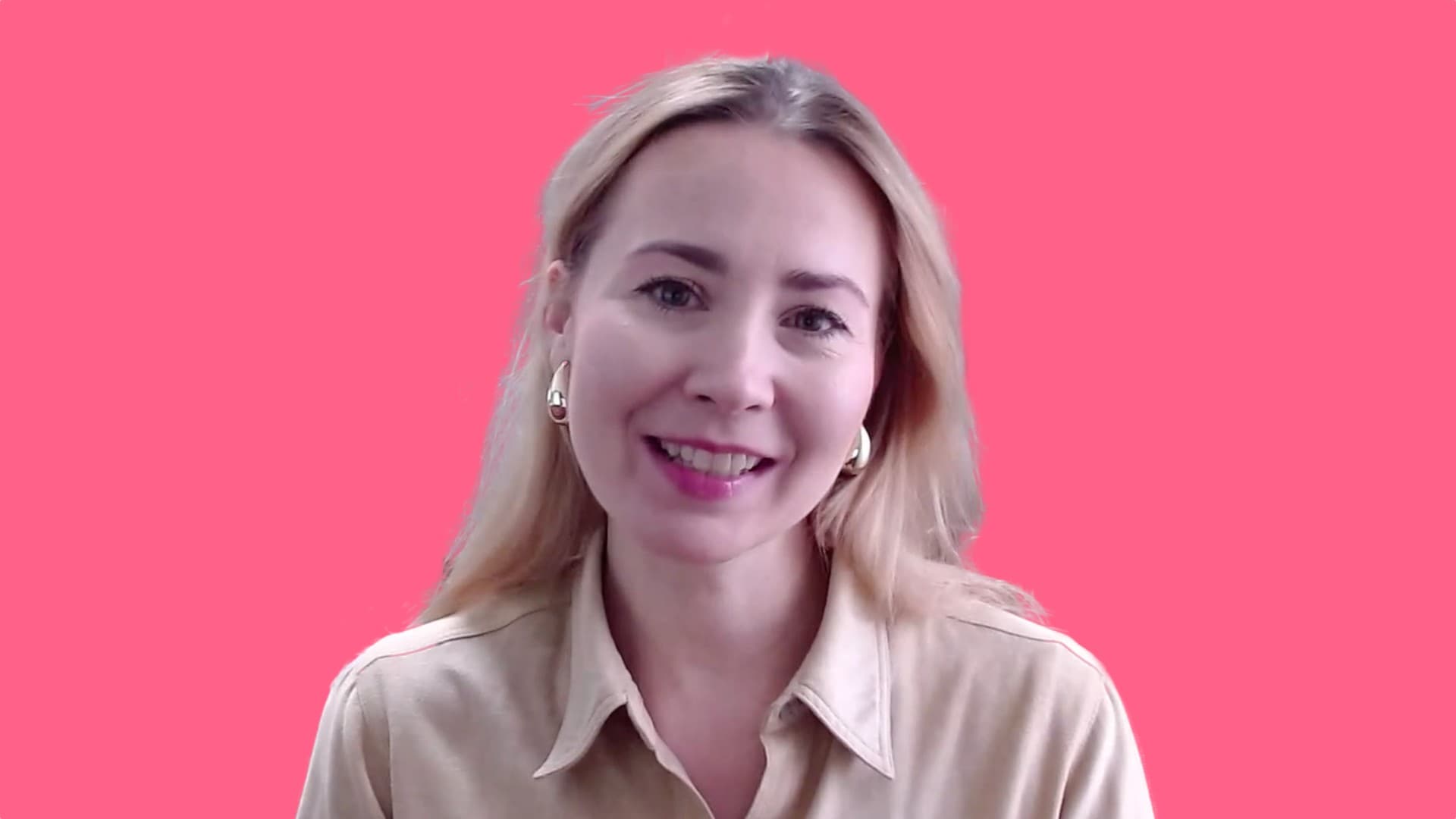
Meet Jayne, a countryside officer who loves nurturing green spaces, working outdoors, and seeing people enjoy nature.
So my name's Jayne. I work at Hartlepool Council and I look after parks and green open spaces.
No two days are the same. And sometimes I drive a desk and there's lots of computer work.
And sometimes I'm out on site and I'm walking around lovely nature reserves.
Or I might be in an urban park or I might be down at the beach and I'm talking to members of the public, or working with contractors out on site.
I sort of judge my days by what sort of shoes I'm wearing. So have I got my wellies on or do I have sort of nice trainers or something on? Or am I in a meeting where I've got to dress up a bit posh and wear sort of decent clothes?
So it's yeah, it does really, really vary. But I love that. I love the fact that it's different and I get to do lots of different things.
My team is quite broad and the other people I work with in the council that I directly manage is the ecologist, the allotment officer, fixed play officer (that's swings and roundabouts and all the stuff you find in parks), and our market officer.
And we, between us, sort of manage all those different things, including the beaches and the paddling pools and the splash pads and go out to look for orchids and nice things like that.
And then externally, it might be contractors who were coming into one of our parks to put in new fixed play, or it might be the man with the JCB that's going to put in some scrapes and they're exposing the ground for wading birds or migrating birds.
Or internally, it could be with other officers in the council, like the enforcement team, when people are walking too many dogs or not clearing up after their dogs.
Our library service, we're trying to promote people to read books outside via an app so you can sit and enjoy the fresh air while you read a book. There's lots of stuff going on.
And not to forget members of the public, they're key to what we do.
So if we're developing a site, a nature reserve, for example, it's getting to see things over time, how they grow and establish. I love that.
I also love to see when people are out and enjoying our open spaces, whether that's while swimming in the sea or whether it's playing on the swings and the roundabouts in the parks.
We have a group in Hartlepool called Silent Steppers, which are a group of people that do exercise outside with silent disco headsets on their heads. And they run around listening to music, having a great time.
So I think it's just in a nutshell, it would be getting to see all the great things that are happening and all the people enjoying themselves and making the best use of the service we provide.
Sometimes it's saying no, people can't do what they want to do, where they want to do it.
So as a local authority, we own a lot of land and I manage a lot of that land, and people want to do things on that land and sometimes it's inappropriate and sometimes I have to be sort of the fun police and say, no, you can't have a barbecue there. I'm really sorry.
But I always explain the reason why, it's never just a no and walk away. And it's how you have that conversation and educate people around sort of our and the council's responsibility, the responsibility for the land and the people that use it.
And sometimes folks don't see all of that. You know, they just want to come, for example, and have their barbecue and don't think about maybe the fire risk management in the summer if it's on the grass or in a nature reserve, what damage they can do.
So, yes, sometimes that's difficult.
So I started out when I was younger and I did my... I'm old, so I did O-levels and then A-levels. I didn't quite get the A-level results I wanted. I still passed but they weren't as great as they could have been. Too many parties, I think.
And then I went off and I did an HND in the first sort of tranche of stuff. And I think that's maybe it's a level five qualification now.
And then realised actually I could, I sort of had a bit of self-doubt and I didn't think I was good enough to go and do a degree first off, and then I went off and I did a degree.
So my HND is in arboriculture, that's trees, and then I went off and did an environmental management degree and then sort of got a little job with the Wildlife Trust doing environmental education.
And I was also volunteering with the Wildlife Trust and an organisation called BTCV. And I think they're now called TCV. Just to sort of make myself have those things on my CV.
Do you know, I wanted to make myself more attractive to employers and everybody that goes through the college or the university system comes out with a qualification, which is great. But you need to make yourself sort of stand out from the crowd. And that's what I wanted to do.
So after the Wildlife Trust, I spent about a year and a half, two years there. That was great. And I got a job at Newcastle Council with the tree surgeon guys and did that for a bit.
Then I sort of got my, if you want, my big break and I got a job as a countryside project officer. That included lots of community outreach, you know, and consultation with people and getting to speak to people about what they wanted to see in their local patch.
And about a year and a half ago, I moved to Hartlepool, which is where I am now, and the job changed a little bit again and I get to work on beaches and things now as well as all the other stuff I was doing.
I'm still doing that and more ecology stuff which is really great because we go out and we're doing surveys and we're encouraging the local university and the local further education college to come out and help us with that and help us deliver and, you know, catalogue all the plants we've got on site or look at counting the nesting birds, the migrating nesting birds and doing lots of survey work.
Which again those students can put that on their CVs and so that makes them stand out and look like they are doing just a bit more than they need to do, which when you do have a job interview, hopefully, you'll get noted and you'll get asked questions about that, which you can give real responses to, real first-hand responses to and have lots of different evidence that you can talk about when you have your interview.
Some of it, I think, at the time I thought, what's the relevance? Why do I have to jump through all these hoops to do all of these exams?
And it's not necessarily what you learn in the subjects. Although I still do use a lot of it, especially the science-based stuff and the maths and the English, because I have to write lots of emails or write reports, and reports go to various different people. You know, whether that's a report to our senior leadership team or a report to our councillors or I'm speaking in public with a community group because we use different language at different times.
Maths is always measuring out and working out how much aggregate I might need or how much space something is going to take.
And the science as well, especially around the biology stuff, you know, what plants we've got, how things are doing, are they thriving or they're struggling? Do we need to sort of give them some help?
But I think the school environment for all it's tough for some people and they really don't like to be there, it gives you resilience to sit through the stuff you don't really want to do and get your head down and get on with doing it and, you know, and complete it without letting it drift and leaving it till the last minute.
Because if you leave it till the last minute, you don't do yourself any justice because you're panicking in your right stuff, or you do stuff that's maybe not as clear or cohesive as it could be.
A moment in my career I'll never forget, I think it was when we had a public event and we had sort of a number of schools there and this child came up to me at the end and said that they had a really brilliant day because their parents never took them anywhere and school had brought them out to something.
And they were going to go home and tell their mum and dad that they wanted to come back.
It was tree planting, that was it, tree planting, and they wanted their parents to see the tree that they had planted, you know, and it was a tiny, tiny little thing that just sort of made me sort of think this is what it's all about, it's about future generations and it's about how they look after our planet and how they look after their local patch.
Don't rush into making a decision because we don't know what jobs or careers are available.
We think when we're younger that when I grow up I want to be, you know. You're always asked what you want to be when you grow up and that's a really hard question to answer because you don't know what all the opportunities are.
My advice, I think, is go out and find out everything about everything you're interested in. And if you've got a particular interest, there's probably a job or a career path out there for you that you might be able to follow with that interest.
I've always been involved with Scouts since I was little and I still do. And my advice to my Scouts is that, you know, putting Duke of Edinburgh or putting King's Scout Award on your CV opens so many more doors because you've shown resilience, you've shown your commitment, you've shown how you can adapt and overcome and achieve.
And I wish somebody had told me that a bit sooner, do you know? I came to realise as I got older that that was what I needed to do.
But there are a million and one job opportunities out there for you and you've just got to be the person you want to be and go for that opportunity and don't let anybody tell you you can't.
Related careers


Related subjects


You might also like

This page contains original content developed by Coffee With Ltd. You may share this page as a link but you must not copy the content or use it with AI tools. All rights reserved.