Tony Hood
Meet Tony, a film location manager who loves chasing creative challenges, working with diverse teams, and never having the same day twice.
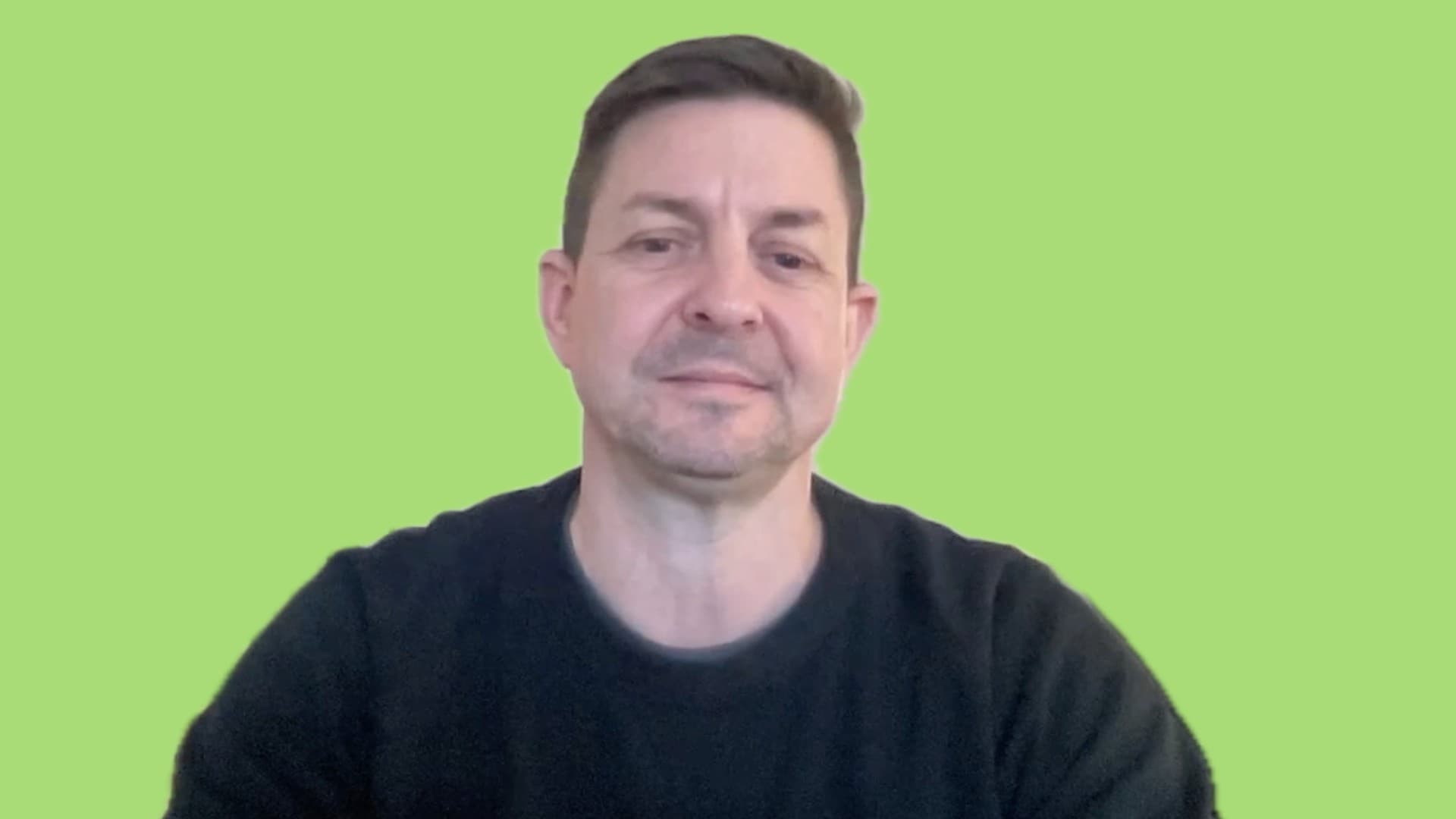
My name is Tony Hood. I am a film location manager and I live in London.
Finding locations for whatever project we're on and once those are found it's then very much a logistical work that allows us to film in the areas that we want to film.
At the start of a project when we only have the script, it's my job to liaise with the director and the designer of the film and understand what their sort of creative dream is and then try and find locations that suit that and also work financially for the producer. So I sort of deal with everybody at that point.
So very early on, we're scouting for locations and trying to make those work in the script. And then as we build up our schedule of what we're going to film, it then becomes very much a contact all areas of the job where we're going to meet all the different key holders and various different elements of police and local councils and various other sort of stakeholders where we then make sure that what we want to do within the bubble of the film is completely clear with everybody locally.
The locations team is a bit like any other sort of workplace.
There's the guy at the top, me, who gives everybody the direction about where we're gonna go.
I then have some location managers, assistant location managers, location assistants, and down to sort of film set runners that look after us, that look after the set rather.
So on the set I'll have the junior members of the team and I'll be dealing with them as to where we're going to go next, what we're going to shoot next, and they will be moving the crew around the place and making sure that everything's set up.
If we're in a field, we know we're putting up the little tents to make sure that everybody's dry and basically look after everybody.
And then as further you go up within the team, it's more the managerial role of planning and organising and setting
No day is the same as the last. There's always, always changes.
And we work in a creative environment and there's a script and a schedule and a budget and everything's very, very strict in that area. And those are the three aspects that we work to.
But when people get on the ground and start filming, they change their mind.
We're going to film that way and now we're going to film that way and not that way and I like it better over there. Can we make that change please? Of course we can. Yeah, no problem. Just give me a minute and we'll rearrange and everything different. We'd now like to blow that building up please.
Things like that. There are always, always changes and it always keeps you on your toes and you're never in the same place for more than about a week.
So it's a fantastically changeable job.
Getting up at four o'clock in the morning to be in a cold, dark, rainy field to welcome 450 equally miserable film crew to film an outdoor scene for a whole day in horrible weather. Probably the worst thing.
Probably not having enough money to make the film as we want to is another really difficult thing for me anyway. But it's variable, you're not gonna do that every day. So you know that you'll get into your car in an evening and you'll drive home and everything will be okay.
I found my way into the job completely by accident.
I left the army and met somebody at a party and she explained what she did. And I said, that sounds quite good fun.
So I immediately fell into it, completely unexpected, expecting it honestly to only be a short term thing while I was trying to decide what I wanted to do.
I stuck with it. It was perfect for me. Yeah, it was unbelievable.
I'm going to give you two answers.
It pays to continue with your education and quite a lot of people do a degree in film studies or film production, whatever they want to do, writing, creative writing, wherever, or even in the more sort of technical areas.
That is helpful to get into the industry. The industry is quite a closed affair. You really need to know somebody or have a route in that will help you. The other alternative is the industry is very open minded about who it employs and it doesn't need a set of school qualifications in the main.
Me being a perfect example, I had very little education when I joined the army and had to join the army to stop myself getting into trouble, I think. But when I came out of the army, I had a bit of a brain for logistics and doing what I had to do and it suited me very quickly.
So you don't necessarily need to have massive qualifications because you can start as a runner, get into the industry and start working hard. The previous question about being in a field at five o'clock in the morning rings true and some people don't like that.
But without the education, there's still a route in and once you're in, you can then decide which way you want to go. You see other people doing different jobs to yourself, then you can choose which department to go into.
It's a very open-minded industry but you do have to work hard. So I'd say having, overall, the commonsense and the ability to work hard will get you into where you need to be.
It's all consuming really and you will find that a lot of people in the film industry have most of their close friendships are within the industry.
But nowadays that's less so because the work-life balance I think is realised by the big studios so it's very rare you work a weekend. 20 years ago everybody would work six day weeks because you could get into places on the Saturday that you would normally not be able to get into. Nowadays, I think it's easier.
You do work hard and you work quite long hours, but you're paid well. So you have to take the weekends or generally you're working freelance. And if you're disciplined, you can just take a week off here and there or wherever, you know, in between projects.
So you can hold your work-life balance together, but you just have to be disciplined with your work and with going out and talking to your friends.
I've had a motorcycle race around a unit base with a quite famous A-lister actor. I got into a lot of trouble about that actually because we were messing around on my motorbike.
Otherwise, I've had the Australian National Choir on the top of Hyde Park Corner, a load of eight and 12 year old children with the horse guards trotting along underneath. And I think nowadays you wouldn't have a chance of being able to do that with health and safety. They'd absolutely lose their mind.
I've base jumped with a few actors in Norway. I've done all sorts of things. It's wonderful. It's great fun.
I was born in the Northeast. The opportunities there were not fantastic.
And I would say the one thing that I would say was don't do what everybody else is doing. What everybody else is doing is probably average. Just find things for yourself and go and chase that dream.
Really,because you're not average within yourself. Don't feel as though you have to do everything that your friends are doing.
Find your own path, plough your own field. That's probably the best thing I could say.
Related careers


Related subjects


You might also like
This page contains original content developed by Coffee With Ltd. You may share this page as a link but you must not copy the content or use it with AI tools. All rights reserved.