Jemma Lonsdale
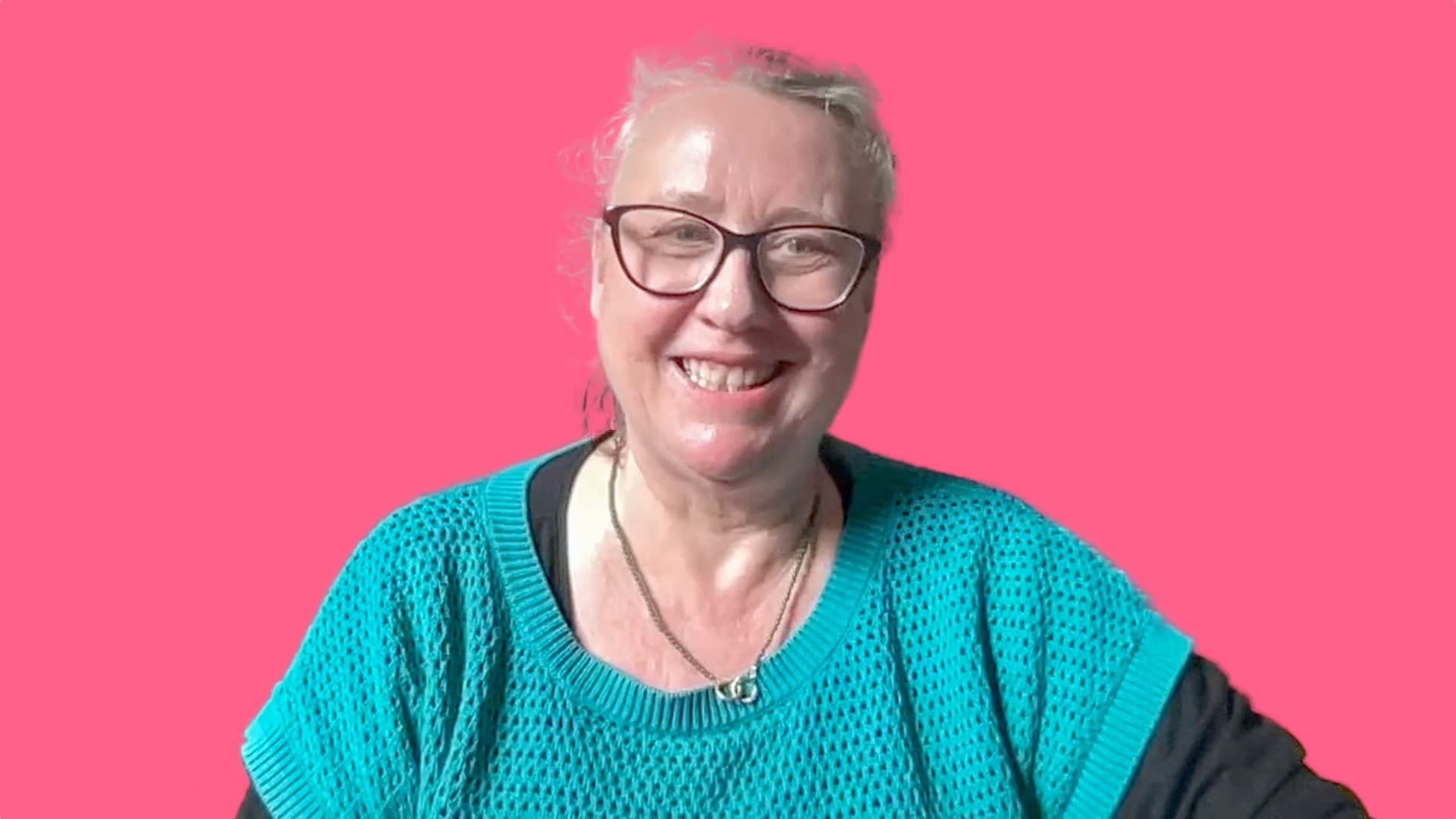
Meet Jemma, a marine environmental consultant who loves protecting the sea, solving varied problems, and helping ports thrive sustainably.
So my name is Jemma Lonsdale. I work for a company called Haskoning.
I actually work from home, hence my background. But my office that I kind of should go into is in Peterborough, so that's kind of in the east of England.
And my job title is I'm a Marine Environmental Consultant. So I work with things to do with the sea.
So most of my time is actually spent at a desk working on a computer but that is because I work across lots of different projects.
So I'm a little bit of a project manager, so I manage and work with lots of different teams and lots of different people and make sure they're doing their jobs.
But I also get to write reports and do assessments, but it's very much desk-based and computer-based.
So if you were just looking at someone stood next to me, it would probably look like I do the same thing all the time because like I say, I work on a computer, check lots of emails, go into lots of meetings and kind of read and write reports.
But actually it's very varied. I work with lots of different people and look at lots of different problems and lots of different solutions that could come to those problems.
Sometimes they're quite straightforward, we can deal with them in about an hour. Sometimes the problems actually take us quite a few months, even years to get to the bottom of. Lots of different things.
And sometimes it is me on my own working on a document and writing things. And sometimes it is, I'd say, having lots of meetings with lots of different people. Some people being out doing field surveys, so kind of field work, and sometimes even on vessels. So going out on ships and doing work.
So within Haskoning, as I've mentioned a little bit, there's lots of different teams. So I work with other people who do a similar job to me.
So they look at kind of assessments and reports and kind of managing other people. Sometimes I work with people who are similar to me but have a lot of knowledge in a particular area, so I work with people who know a lot about fish or know a lot about birds, and kind of work with those.
And then sometimes we get a little bit wider and speak to people who are engineers, so people who look at how you can build things kind of like a bridge or an offshore wind farm. And then sometimes it's also working with the public, so going out and telling them what we do and what the projects are looking to do and what the problems are.
Best thing about my job is... I'm gonna cheat and I'm gonna say there's two things that are really good about my job.
The first one is that it is varied so I get to work on lots of different projects and lots of different problems so that means I get to work with lots of different people.
But I also have kind of an area that I'm really interested in, so I am really interested in ports. So where ships come in and kind of can bring us all our toys and things, or we can take stuff to other countries. And keeping those kind of working is kind of my area.
So even just working on ports, there's lots of different problems and lots of different solutions that we get to work with.
The hardest part is very, should we say, specific to me because I do work at home. So a lot of my interactions, a lot of how I talk to people is not in person. It's via things like Teams. So it's very virtual and that can be hard sometimes to kind of build relationships or make friends.
And sometimes if I've got a problem, trying to speak to someone because I have to ring them up can be quite difficult. So if there's a really big problem that we need to solve really quickly, that is where it becomes really hard, is trying to ring people up.
When I was about 12-13 I always knew I wanted to do something with the sea. No idea what I wanted to do but knew it had to be something to do with the sea.
So I went through my GCSEs and I went through my A-levels, doing the sciences, so biology and chemistry and environmental science. And then when I went to university, I did a marine biology course.
And it was during that course at university that I realised that I quite like seeing the bigger picture. So not just looking at the fish or just looking at the birds or just looking at kind of one particular area, but actually looking at how it all comes together. So what the ecosystem is doing and how it could be impacted by new ports being developed. So that's how I kind of developed my kind of area.
When I left university, even though I had an idea of what I enjoyed, I didn't know what jobs were out there. So I went and worked for a port and it was whilst there I got experience of working with other organisations.
So whilst there I applied for and got a job actually working for the government and providing advice to government on anything that happens in the sea. I was there for about 14 years, kind of got as far as I could in that job and then decided I wanted a new challenge so came over to consultancy so that's where I am now is at Haskoning and so rather than working for government I work for kind of people who want to build things and to make money.
So at the time you can't really see how it's helping and you can't understand why you're being asked to give talks or give presentations or go off and work in a group with people that you wouldn't normally work with.
But actually things like that are very important. You'll see I'm not talking about the specific subjects that you learn at kind of 12 or 11 or kind of through high school. But actually the way in which you're taught to do things is really important.
As I say in my job, I have lots of different projects, lots of different problems. Each problem means I have to work with slightly different people and different groups of people. So I have to know how to work with them, how to talk with them to make sure we get a solution at the end.
And sometimes that does involve me having to talk about my view of the problem so I have to give a presentation. Sometimes it's with PowerPoint slides, sometimes it's just talking like this.
And I think they're the ones that you don't appreciate until you've gone into a job and look back and go actually that was really useful.
So the job that I do, we're always looking at ways in which we can do things without harming the environment. So if you ever hear people talking about sustainability, that's what they're talking about.
So what my job is to do is if people want to build something and the way they want to build it could potentially hurt the environment, then it's my job to go, actually, there's a better way to do this.
You'll still get to build your bridge but it could also mean that we don't hurt as many fish or birds, and to help them get through. So it's not just about getting things built. It's about doing it in the right way.
And how it affects me when I'm out and my view of the world is that I do see when things have been built, how they're doing things so it is good for the environment and then not just hurting it.
So things like putting passes into like little tunnels for hedgehogs if they're doing works on a road and things like that.
I think probably the advice I wish I had was try not to stress so much.
It sounds really counterintuitive for people who might be in high school and are preparing for their GCSEs. I'm definitely one of those people where I wanted to do really well and probably worked too much up to the GCSEs in revision.
But there are alternative routes into jobs that you want to do. So, you know, obviously try your hardest but you know if it doesn't quite work out there are alternative routes as well.
So my job you don't have to have a degree, you don't have to have gone to university but what it does mean is if you're starting in this job you will probably start lower and you'll have to work your way up whilst you build your experience and knowledge.
And likewise, there's things like apprenticeships as well.
So if you struggle with exams, there are alternative routes.
Related careers


Related subjects


You might also like


This page contains original content developed by Coffee With Ltd. You may share this page as a link but you must not copy the content or use it with AI tools. All rights reserved.